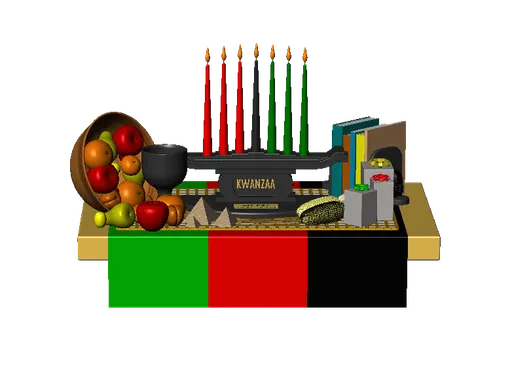
"History demands that we see all great things as collectively produced."
When asked what led to the creation of Kwanzaa, those who know all tell the same story about a small group of Us Organization members who worked with Dr. Maulana Karenga to create the holiday.
When asked what led to the creation of Kwanzaa, those who know all tell the same story about a small group of Us Organization members who worked with Dr. Maulana Karenga to create the holiday.
It was December 1965 and a group of Us members were discussing holidays and cultural practices.
A back-and-forth began between Dr. Karenga and the honored elder of Us, Ngao Damu, while his ten-year old daughter, Kinamo Damu (Terri Bandele) sat nearby. Kinamo was paying careful attention because the conversation was causing her to be concerned about missing out on the fun and gifts that come with holidays each year. As the adults talked about which holidays we should or should not celebrate and why, Kinamo asked: "What do the Africans do?" – meaning, "How do African people celebrate December holidays?"
That question became the spark for a new Pan-African holiday, Kwanzaa, to be born.
The first responses didn't satisfy young Kinamo's curiosity or settle her concern that the holiday fun she looked forward to all year was about to be denied. In the days to come while attending the cultural school, she became insistent that – "We need our own holiday!"
The adults took notice of young Kinamo's insistence and created a plan to research traditional African holiday celebrations to inform the creation of a new holiday. In these days long before the internet, they did their research over several months at public libraries throughout the Los Angeles area.
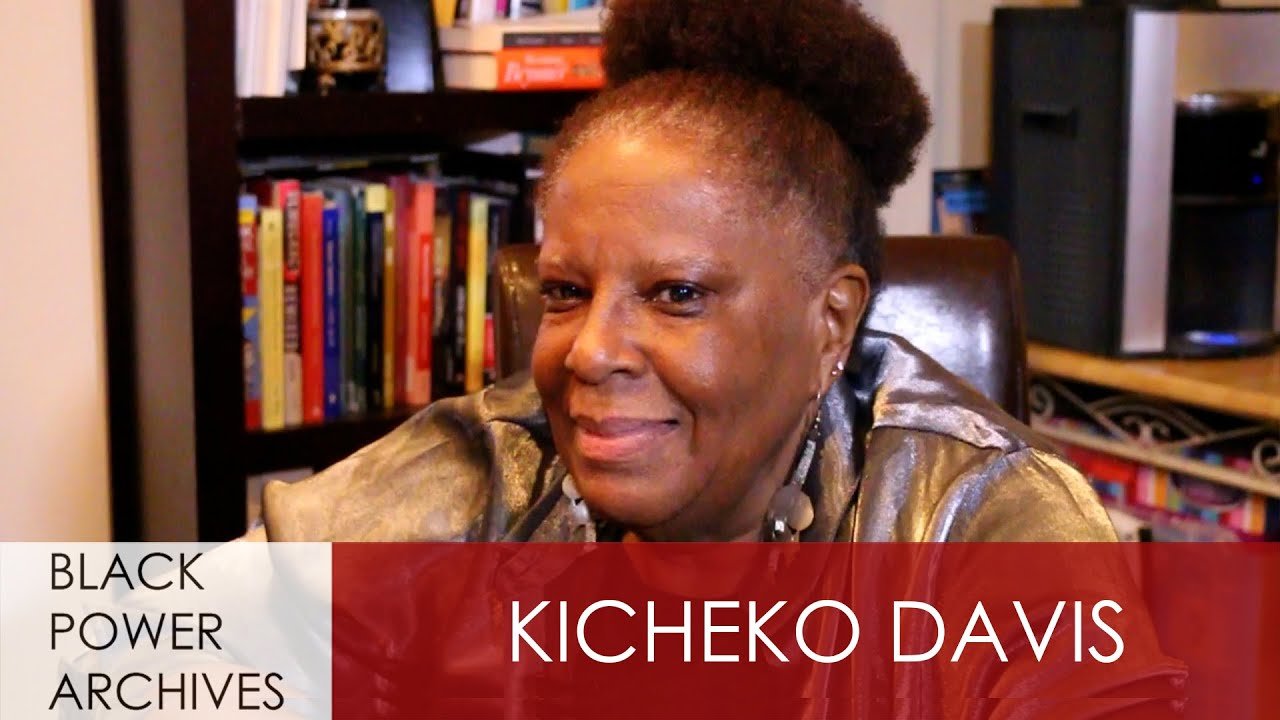
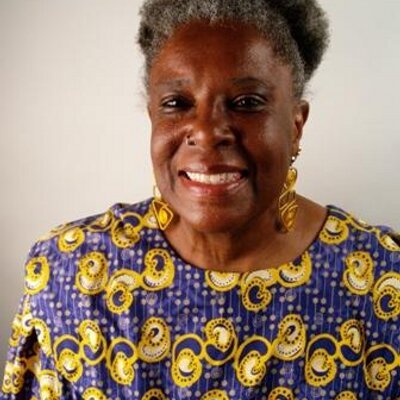
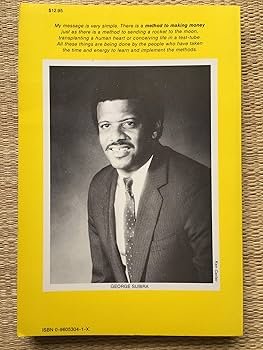
George Subira was selected to lead the research committee which included Ngao Damu, Kicheko Davis, and others. Dr. Karenga had a particular interest in African harvest celebrations which directly influenced the direction of the committee's research. He also selected the name of the holiday. The info collected from libraries was shared in committee discussions and developed into a series of ideas and ritual practices that became the foundation of the newly named holiday, Kwanzaa.
It is important to note that the Nguzo Saba was introduced in 1964, more than a year before Kinamo inspired Kwanzaa's creation. The Seven Principles had been introduced by Dr. Karenga as a core value system for Black people through the social philosophy he was developing called "Kawaida." He and the research team saw the potential to expand the reach of the Nguzo Saba / Seven Principles and Kawaida by associating them with this new holiday. So, the Nguzo Saba became the Seven Principles of Kwanzaa, directly influencing its seven-day structure.
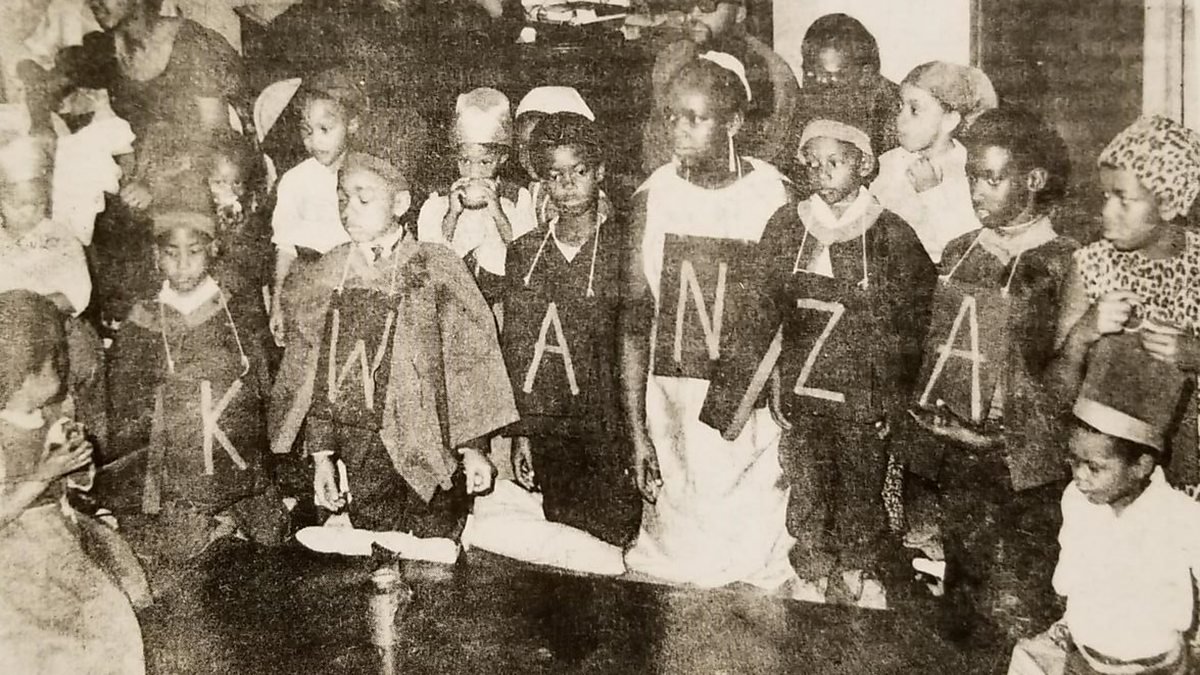
Discussions about the information collected primarily involved research committee members, but other Us members participated, too. By the Fall of 1966, their research was completed, and Dr. Karenga introduced the new holiday to the entire membership of Us by writing the word, "Kwanza," on the meeting room blackboard. The third "a" was added to the word soon after to match the number of principles and to accommodate a seventh child's participation in the first Kwanzaa celebration activities.
The word began to spread about this new holiday almost immediately and the first celebration was held at The Aquarian Spiritual Center in Los Angeles. The first night's celebration was held at an apartment in Los Angeles, followed by the first large public celebration at the Los Angeles Palladium soon after.
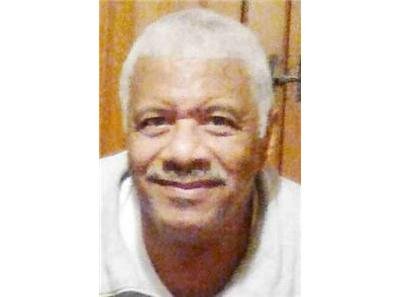
Kwanzaa was formed, then, under Maulana Karenga's leadership and with his primary contributions along with the diligent efforts of Ngao Damu, Kicheko Davis, George Subira, and others, all inspired by the "courageous questioning" of a culturally awakened ten-year-old girl named Kinamo Damu (Terri Bandele).
The message and meaning of Kwanzaa and the Nguzo Saba / Seven Principles has spread throughout the world since then through the committed efforts of Us members and outside supporters. For her part, young Kinamo showed us the creative and inspirational capacities our children possess when they are properly nurtured and developed to know and love who they are.
For purposes of this expanded discussion and our overall project, we want to highlight and enhance the capacities and capabilities of our youth through expanded engagement with Kwanzaa and the Nguzo Saba / Seven Principles. For that reason, we have included a brief introduction to the once ten-year-old girl who is now a respected elder woman, Kinamo Damu (Terri Bandele), along with Dr. Karenga, Ngao Damu, Kicheko Davis, and George Subira.
We are eternally grateful for their efforts…
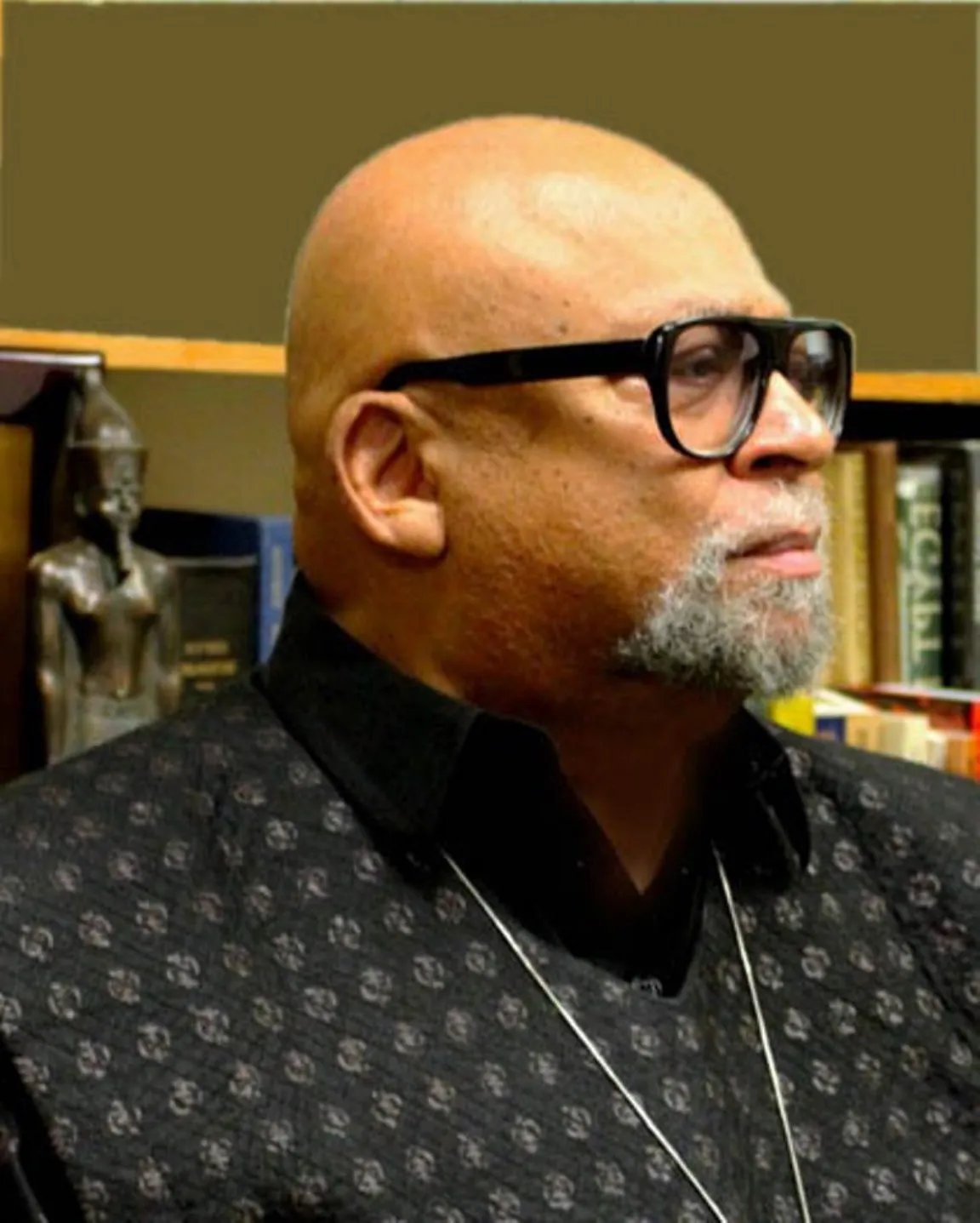
Maulana Karenga
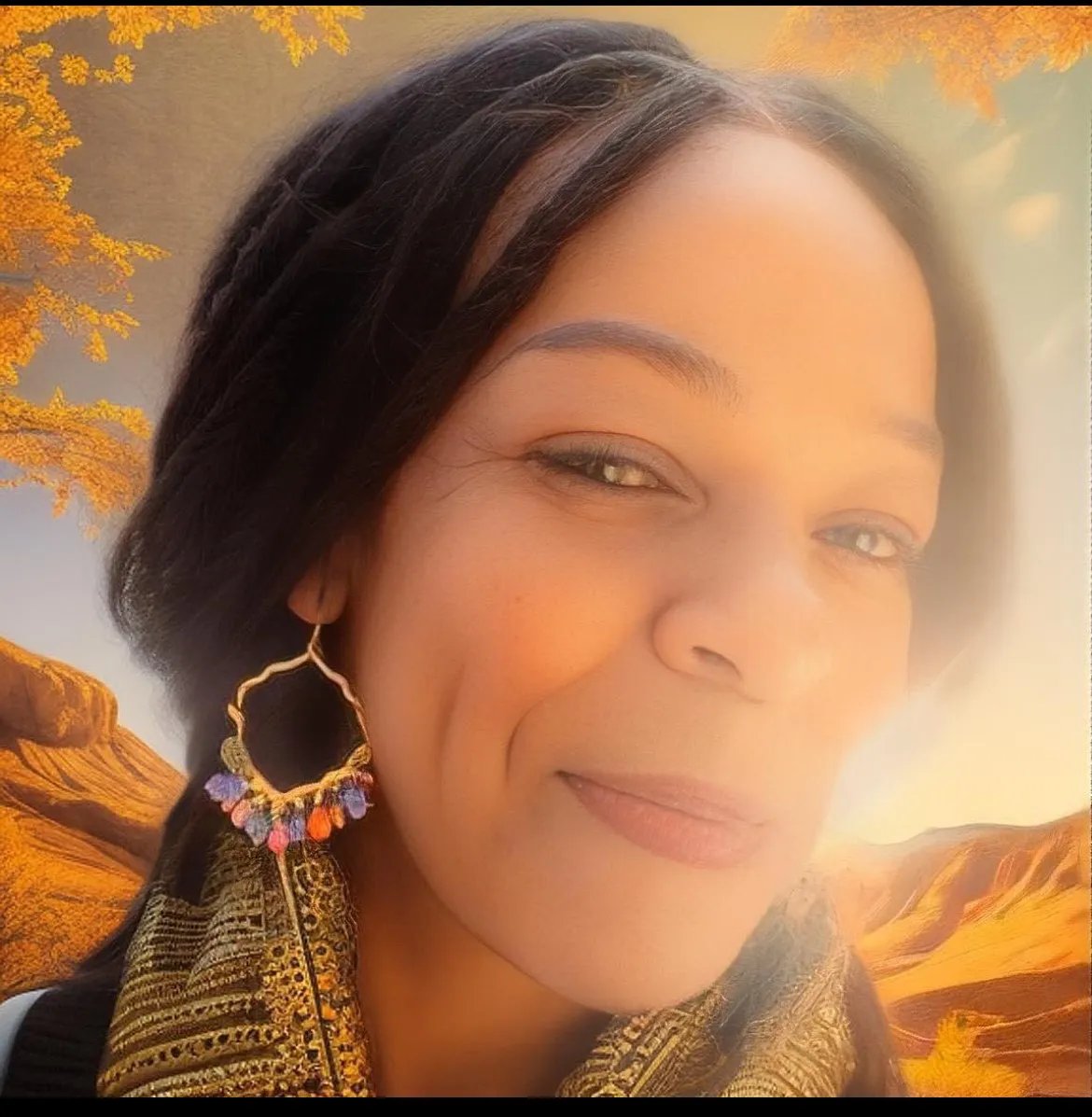
Terri Bandele
Ngao Damu
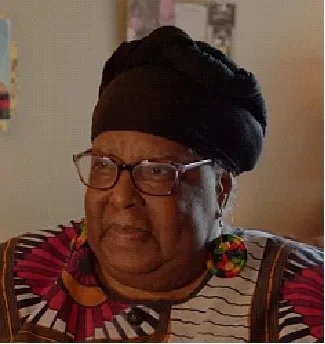
Kicheko Davis
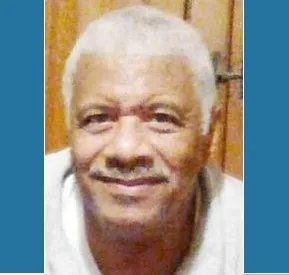
George Subira
Makinya Sibeko-Kouate
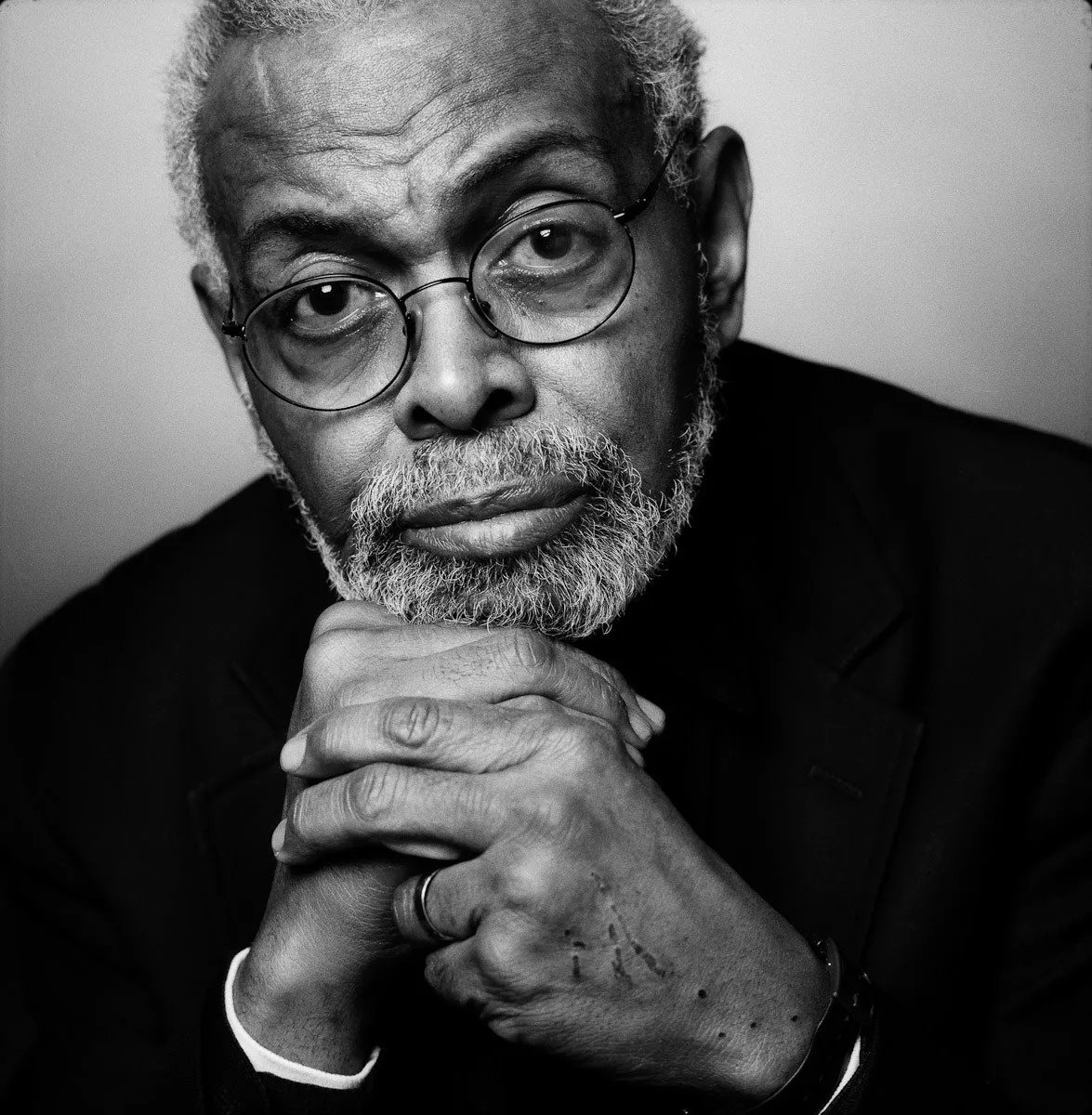
Amiri Baraka